Surfcrest Resort
Surfcrest Resort on the Washington Coast
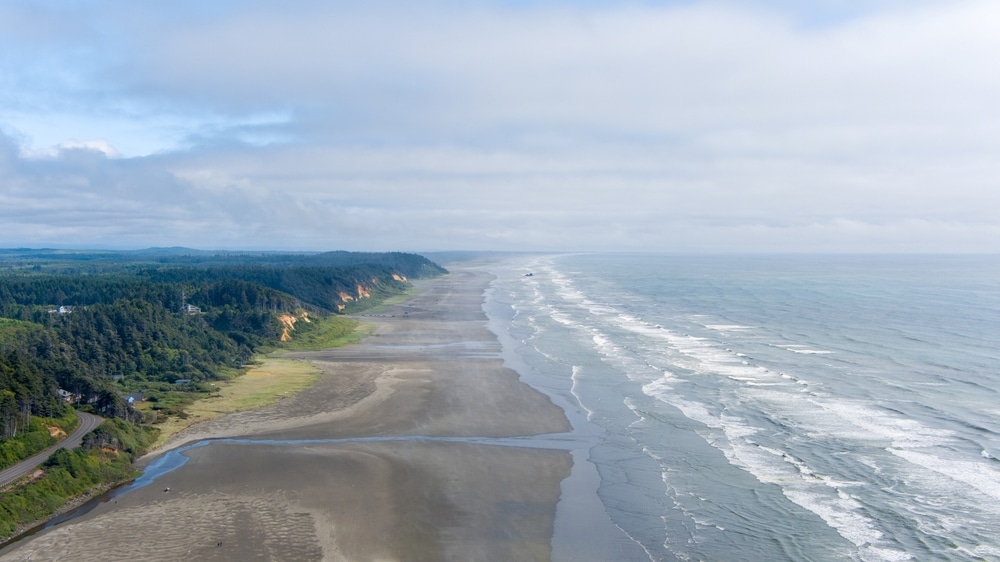
One of the highlights of staying at Surfcrest Resort is experiencing the incredible wildlife that makes the Washington Coast so special. Each year, gray whales migrate along our shoreline, giving visitors the chance to witness one of nature’s most remarkable journeys. In recent months, however, an increase in whale strandings along the Washington Coast has raised important questions about the health of these animals and the changing conditions they face. Here’s what you should know about whale strandings, what’s causing the recent increase, and what to do if you encounter a stranded whale during your visit.
What Are Whale Strandings?
Whale strandings happen when a whale ends up beached on shore, or stuck in shallow water where it can’t return to the open ocean on its own. Some whales come ashore already weakened by illness or injury, while others are healthy animals that drift too close and get grounded as the tide falls. Strandings can happen for a variety of reasons, including disease, weather conditions, malnourishment, contaminants, and human-caused injury.
A majority of the whales that have been beached recently in Washington are gray whales. In 2026 alone, more than 30 whales have been stranded along Washington’s beaches, making it the state’s second-highest year for strandings in five decades of monitoring. And even though most strandings occur between April-June we could see even more strandings as the year progresses. So, what is causing this?
What’s Causing the Increase in Strandings in Washington?
Several factors contribute to the rise in whale strandings in Washington, but one of the biggest is malnourishment. Washington sits along the migration route of the gray whale, which has one of the longest migrations of any mammal. Each year, gray whales breed in the warm waters of Baja California, then travel thousands of miles north to feed in the Arctic. Climate change has reshaped the Arctic ecosystem and reduced the whales’ primary food source. So, when whales don’t get enough to eat, the long migration becomes much harder to survive. Hunger can leave them weaker and disoriented, which raises the risk of vessel collisions. It can also drive them into shallow coastal zones in search of food, where they’re more likely to beach.
What to Do if You See a Beached Whale
If you encounter a beached whale while visiting Washington, please:
-Observe from a distance to determine whether the animal is truly stranded.
-Stay at least 100 yards away from the whale.
-Note the species, location, date, and any other details you can safely gather.
-Contact the West Coast Marine Mammal Stranding Network Hotline at 1-866-767-6114.
Check the NOAA website for more information on how to report, health guidelines, and other hotlines to call.
How and Where to Watch Whales Safely in Washington
As troubling as strandings can be, there’s good news: the whales haven’t gone anywhere. Thousands of gray whales still frequent our waters from April to October, so there’s plenty of opportunity to spot them on the coast. Watching from dry land is the least invasive way to enjoy them; keep your distance and give these remarkable animals the space they deserve. If you’d rather watch from the water, please review the guidelines from Be Whale Wise first.
Where to watch whales on the Washington Coast near Surfcrest Resort:
-From the grounds at Surfcrest Resort
-North Jetty in Ocean Shores
-Pacific Beach State Park
We hope this gives you a better understanding of what’s happening in our waters, and why it matters. Whenever you’re ready for a getaway, we’d love to welcome you to Surfcrest Resort.
Footer